AK
Ayush Kumar
Biotechnology Department, Mahayogi Gorakhnath University, Gorakhpur
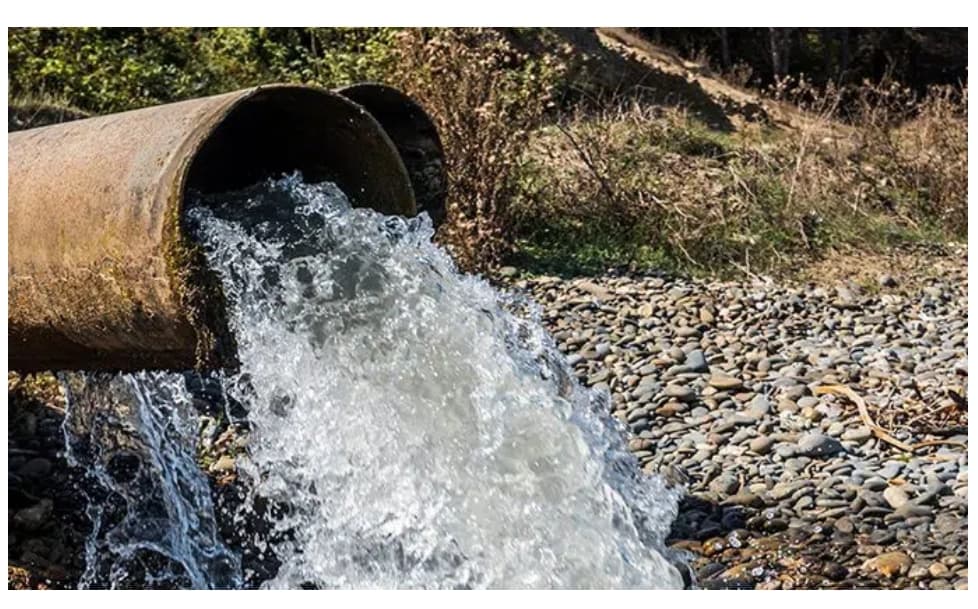
Water is one of the most precious natural resources and vital to human health, agriculture, industry, and the environment. Pollution from cities and industries is increasing rapidly, placing greater strain on India's freshwater reserves. Like water demand, the country is producing a huge volume of wastewater on a daily basis to meet everyday consumption needs. Excessive nutrient levels are found in rivers, lakes, groundwater, and coastal areas because wastewater is often discharged without treatment, which represents a long-term threat to public health and biodiversity due to the high load of contamination. The capacity to handle municipal wastewater has emerged as one of the major environmental challenges in India. As per the Ministry of Jal Shakti [1], urban India produces over 72,000 million litres of sewage daily, but in reality, it has the capacity to treat only around 40% of what is produced in the country. Consequently, a large percentage of wastewater is discharged untreated into the environment, which causes severe water pollution. Due to this, the spread of waterborne diseases, degradation of freshwater ecosystems, and loss of valuable freshwater resources occur very frequently. On the other hand, wastewater should not be seen as pure waste material, as when adequately processed, it is reusable for irrigation, industrial processes, and groundwater recharge, or can generate electricity in the form of biogas. Responsible management of wastewater consequently helps preserve the water cycle, protect the environment and public health, and promote sustainable economic development. The Government of India has been relatively more proactive in addressing wastewater treatment and sanitation infrastructure through various programmes like Namami Gange, AMRUT, Swachh Bharat Mission (Urban) 2.0, etc. Despite some of these initiatives having been fruitful, their success has still remained limited due to poor operation and maintenance, insufficient treatment capacity, lack of funding, and partly varied implementation across states.
India, being one of the fastest-evolving major economies in the world, has also seen a steep surge in the amount of wastewater produced. The rapid increase in cities, industrial activities, and population in recent years has resulted in a huge quantity of domestic and industrial wastewater generation every day. With the growing water demand, wastewater treatment now needs to protect health and ensure sustainable methods of using this resource. In urban India, about 72,368 million litres per day (MLD) of sewage is generated, according to the Ministry of Jal Shakti. In contrast, the total installed sewage treatment capacity in the country is only 31,841 MLD, of which only about 26,869 MLD has an operational treatment capacity. This means that only about one-third of the generated wastewater is treated properly, with the remainder being discharged untreated into rivers, lakes, and ponds, as well as groundwater and other bodies of water. India has much more domestic sewage from households as the leading source of wastewater. It can contain organic matter, nutrients, pathogens, detergents, and other pollutants. Industrial effluents are another leading source, carrying hazardous chemicals, heavy metals, oils, and toxins. They severely impact water quality and aquatic ecosystems when these pollutants are released into the environment untreated. Many cities also have old sewer networks and poorly maintained and underutilized sewage treatment plants (STPs). In a lot of smaller towns and rural locations, proper sewage collection and treatment systems are limited or non-existent. The ever-increasing amount of untreated wastewater is now a major environmental problem. It pollutes rivers and aquifers, decreases water supply, and raises the chances of infections through contaminated water. Simultaneously, it reflects a loss of potential, as treated wastewater can be reused for agriculture, industrial cooling, and landscaping, and can even be used to recharge aquifers. Water conservation, increased water reuse, and expansion of wastewater treatment capacity are critical both to improving and ensuring greater water security in the country and supporting sustainable development efforts in India.
The Central Pollution Control Board (CPCB) Report (Updated Version, October 2025) presented the detailed status of drains monitored during the post-monsoon 2023 period that were discharging into the River Ganga. The survey tracked 716 drains from which waste was being discharged into the River Ganga and 24 major tributaries in Uttarakhand, Uttar Pradesh, Bihar, Jharkhand, and West Bengal during the post-monsoon 2023 season. The discharging drains had a cumulative flow of 14,572.01 megalitres per day (MLD) and contributed an estimated biochemical oxygen demand (BOD) load of 696.50 tonnes per day (TPD). The tapping of 235 drains indicates that a good number of them are connected to interception/diversion systems prior to entering the rivers. Only one sewage treatment plant (STP) outlet was observed in the survey. Flow could not be measured in the case of 139 drains, which implies that it was greater than what had been reported, leading to higher actual wastewater discharge and pollution loads. The report shows that domestic sewage continues to be the major cause of pollution flowing into the Ganga and its tributaries. Uttar Pradesh has the highest number of polluted drains, with many having very high BOD and chemical oxygen demand (COD) values. West Bengal has the largest outflow of wastewater into the Ganga. Even with the tapped drains and STPs, the untreated or partially treated drains directly flowing into rivers indicate a hurriedly developed sewage interception and treatment infrastructure. The Central Pollution Control Board (CPCB), under the Union Environment Ministry, prepared the report. It is an assessment carried out on the basis of river water quality data collected during 2022–23 under the National Water Quality Monitoring Programme (NWMP). At present, CPCB monitors water quality at 4,736 locations across the country and operates 2,155 river monitoring stations. The network monitors water quality in 645 rivers, making it the largest of its kind in India.
This section reflects the 2026 picture, which diverges significantly from 2025. Multiple states have notified dedicated safe reuse policies in the first half of 2026 that substantially advance the national framework. Three of these—Uttar Pradesh, Odisha, and Uttarakhand—are new policies announced in 2026 that were not in place when this guide was first published (Wastewater Reuse Policies in India 2026: Complete Expert Guide, by Akshat Tyagi, SUSBIO).
| State | Policy/ Year | Key Target | Status (2026) |
|---|---|---|---|
| Uttar Pradesh | Safe Reuse of Treated Water Policy 2026 | 50% reuse by 2030 where STPs exist; 100% by 2045 statewide | Approved March 2026 |
| Odisha | Policy on Reuse of Treated Used Water 2026 | 20% reuse within 6 months of STP commissioning; 50% by 2036 | Notified April 2026 |
| Uttarakhand | SRTW Policy 2026 | Non-potable reuse across industry, construction, urban landscaping | Notified March 2026 |
| Gujarat | Policy for Reuse of Treated Wastewater 2018 | 70% reuse by 2025; 100% by 2030 | Active — Surat at 30%+ reuse |
| Karnataka | Urban Wastewater Reuse Policy 2017 | Sell 50% of treated water from on-site STPs for non-potable use | Active — mandatory for 50+ unit complexes |
| Maharashtra | Safe Reuse and Management Policy 2025 | 30% recycled water reuse within 5 years; prioritise thermal plants | Active 2025 |
| Delhi | Delhi Jal Board Reuse Framework | 60% reuse target; currently at 12.5% (405 MLD) | In progress |
Of the sewage generated every day across its cities, India treats just 28%. More than 72,000 million litres of wastewater are generated every day in urban areas, and almost three-quarters of this is untreated or flows into rivers, lakes, and land. The environmental cost is visible. The economic cost, while less obvious, is equally real: treated wastewater, when properly harnessed, can replace freshwater for irrigation, industry, and urban services at much lower input costs than securing fresh water. This gap prompts a very speedy policy response, with major actions being taken during the period 2025–26. The Central Pollution Control Board (CPCB) tightened the discharge standards for STPs. The 20% reuse mandate came into play through the Ministry of Jal Shakti. Between 2025 and 2026, several Indian states—including Uttar Pradesh, Odisha, Uttarakhand, and Maharashtra—issued specific safe-use policies at the state level that go well beyond the nationwide standard. Since 2013, STPs have been commissioned in India. This isn’t a regulatory summary from afar—it is an on-the-ground perspective from engineers who need to implement this compliance workday in and day out. The entire year of 2026 marks a tipping point for wastewater reuse in Indian sewerage.
With strict timelines for various action points, Odisha introduced its Urban Wastewater Reuse Policy in April 2026. For cities that already have sewerage systems and STPs in place, 20% reuse must be accomplished within six months of the policy notification. As per the notification, 100% collection, conveyance, and treatment is targeted across all Urban Local Bodies by 2030, along with 20% reuse by 2030 and at least 50% reuse of treated wastewater by 2036. This policy adheres to the National Framework on Safe Reuse of Treated Water 2023 by NMCG and the objectives under AMRUT 2.0. March 2026 SRTW Policy.
Uttarakhand published its Safe Reuse of Treated Water Policy in March 2026. The notification of the policy establishes a regulatory framework for the reuse of treated wastewater for non-potable purposes, including industrial processes, construction, park irrigation, and urban landscaping. It lays out the responsibilities and obligations of different arms of the government, Urban Local Bodies, and industries. Since Uttarakhand is located upstream of major Gangetic tributaries, this policy has implications beyond the state.
The 2018 Policy for Reuse of Treated Wastewater in Gujarat set reuse targets of 70% by 2025 and aimed to cover the entire demand (100%) by 2030. More than 30% of the treated wastewater is already being reused by the Surat Municipal Corporation. Gujarat retains its position as a benchmark state for wastewater reuse in the industry, particularly in terms of reuse initiatives.
The 2017 Urban Wastewater Reuse Policy of Karnataka mandates that apartment complexes with more than 50 units and commercially used buildings occupying over 2,000 sq. m both set up STPs on their premises, whereby 50% of the treated water can be sold for non-potable uses. Implementation across all of Bengaluru’s housing stock may fulfil 26% of the city’s future demand.
Among other things, Maharashtra’s Safe Reuse and Management of Treated Wastewater Policy 2025 emphasizes diverting treated wastewater for thermal power plants and industrial estates. The State Water Policy (2019) stipulates that treated water must be reused at 30% within five years.
At present, Delhi is reusing only about 12.5% (405 MLD) of treated wastewater, mainly for gardens and lake recharge by the Delhi Jal Board. The target is 60%. Infrastructure is one of the challenges in Delhi—treating water at STP locations for reuse points has to be done through dedicated distribution networks, which are still under construction.
This policy was cleared in March 2026 by the largest state in India by population, with technical support from the Centre for Science and Environment. The roadmap is divided into five phases: (a) 50% reuse of treated water in areas where STPs are functional by 2030; (b) full 100% reuse in those exact areas; (c) a reuse target in places without STPs or where STPs are non-functional, with 30% reuse by 2030; (d) 50% reuse by 2035 in those regions; and (e) 100% reuse by 2045 statewide. Reuse, or recycling, is prioritized in the sectors of agriculture, industry, construction, and urban landscaping. The policy firmly establishes the notion of wastewater as a resource, and UP is portrayed as an example for other states to follow (Wastewater Reuse Policies in India 2026: Complete Expert Guide, by Akshat Tyagi, SUSBIO).
| Rejuvenation Initiative | Implementing Agency/Programme | Major Activities | Expected Outcome |
|---|---|---|---|
| Namami Gange Programme | National Mission for Clean Ganga (NMCG), Government of India | Construction and rehabilitation of Sewage Treatment Plants (STPs), sewerage network development, interception and diversion of drains, pollution abatement, river surface cleaning, biodiversity conservation, public awareness, afforestation and riverfront development | Reduction in pollution, improved water quality, ecological restoration and sustainable management of the Ganga |
| Arth Ganga Project | Ministry of Tourism and NMCG | Development of tourism circuits, promotion of sustainable livelihoods, river-based economic activities and eco-tourism | Linking river conservation with economic development and employment generation |
| Organic & Natural Farming Corridor | Ministry of Agriculture & Farmers Welfare | Promotion of organic farming, natural farming and reduction in chemical fertilizer and pesticide use along the Ganga basin | Reduced agricultural runoff and improved river water quality |
| Water Use Efficiency Programme | Ministry of Agriculture & Farmers Welfare | Promotion of efficient irrigation methods and sustainable water use in villages near the Ganga | Conservation of water resources and reduced pressure on river water |
| Swachh Bharat Mission 2.0 | Ministry of Housing and Urban Affairs | Mapping of urban drains, solid waste management and liquid waste management in Ganga cities | Prevention of untreated sewage and solid waste from entering the river |
| AMRUT 2.0 | Ministry of Housing and Urban Affairs | Urban wastewater management, sewerage improvement and drainage infrastructure | Better sanitation infrastructure and reduction of urban pollution |
| Afforestation Programme | Ministry of Environment, Forest and Climate Change | Plantation and restoration of green cover along the Ganga belt | Soil conservation, erosion control and improved river ecosystem |
| Project Dolphin | Ministry of Environment, Forest and Climate Change | Conservation of the endangered Gangetic Dolphin and restoration of aquatic habitats | Protection of biodiversity and improvement of river ecosystem health |
| River Surface Cleaning | Namami Gange | Removal of floating solid waste, plastics and other debris from the river surface | Cleaner river surface and improved aesthetics |
| Riverfront Development | Namami Gange | Development and beautification of ghats, crematoria modernization and public amenities | Improved sanitation, tourism and cultural preservation |
| Public Awareness Campaigns | NMCG, State Governments and NGOs | Community participation, awareness programmes and citizen engagement | Increased public involvement in river conservation |
| Biodiversity Conservation | NMCG and Forest Departments | Conservation of aquatic species, wetlands and natural habitats | Restoration of ecological balance and protection of native species |
Current wastewater treatment plants can be retrofitted with novel technologies to make them both more efficient and cheaper to operate. Wastewater reuse and resource recovery deserve even more attention. Treated effluent water can be utilized for irrigation, industrial processes, landscaping, and groundwater recharge, which will help reduce the burden on freshwater resources. The second aspect is that these processes have by-products that are useful as well, including biogas, nutrients, and reclaimed water, which can also be converted into energy or used in specific areas of sustainable agriculture.
Sustainable wastewater management also depends on appropriate public participation. Promoting sanitation behaviour through awareness programmes, community involvement, and responsible water use are just a few initiatives that can promote good sanitation practices, coupled with greater acceptance of treated wastewater reuse. In building a resilient effluent management system in India, collaboration among governmental organizations, industries, scientists, and local stakeholders to address challenges associated with sewage disposal is essential. In short, through the right combination of governance, infrastructure, innovation, and public engagement, India can turn wastewater from an environmental problem into a water resource that can strengthen everything from water security and economic growth to sustainable development.
With rapid urbanisation, industrialisation, and continuously increasing water demand, wastewater management has become one of the major environmental challenges in India. A large proportion of the wastewater produced receives little or no treatment at all, causing pollution of water bodies, loss of biodiversity, and a greater risk of waterborne diseases. The Namami Gange and AMRUT programmes have strengthened sewage treatment and sanitation in recent years, while effective models like the Avadi Sewage Treatment Plant (including its infrastructure set-up) and the East Kolkata Wetlands showcase the impressive efficacy of wastewater management techniques. However, stronger policy implementation, operational and capital investment in advanced technologies, public awareness, and the reuse of treated wastewater are needed to tackle the issue. Recognising wastewater as a resource and not waste is key to water security, environmental protection, public health, and sustainable development in India.
[1] Ministry of Jal Shakti, Government of India. Urban Water Supply and Sewerage Statistics. Annual Report 2024-25.
[2] Central Pollution Control Board (CPCB). Status of Drains Monitored During Post-Monsoon 2023 Discharging into River Ganga and Its Tributaries. Updated Version, October 2025.
[3] Central Pollution Control Board (CPCB). Polluted River Stretches for Restoration of Water Quality: National Assessment Report 2022-23. Union Ministry of Environment, Forest and Climate Change, 2023.
[4] National Water Quality Monitoring Programme (NWMP). Water Quality Monitoring Data 2022-23. Central Pollution Control Board, 2023.
[5] Ministry of Jal Shakti. National Framework on Safe Reuse of Treated Wastewater. Government of India, 2023.
[6] National Mission for Clean Ganga (NMCG). Namami Gange Programme: Progress Report 2024-25. Government of India.
[7] Ministry of Housing and Urban Affairs. AMRUT 2.0 Guidelines: Urban Wastewater Management and Infrastructure Development. Government of India, 2024.
[8] Government of Uttar Pradesh. Safe Reuse of Treated Water Policy 2026. Department of Urban Development, March 2026.
[9] Government of Odisha. Policy on Re-use of Treated Used Water 2026. Department of Municipal Administration, April 2026.
[10] Government of Uttarakhand. Safe Reuse of Treated Water (SRTW) Policy 2026. Department of Urban Development, March 2026.
[11] Wastewater Reuse Policies in India 2026: Complete Expert Guide by Akshat Tyagi (SUSBIO)
Disclaimer: The views expressed in this article are solely those of the author and do not necessarily represent the views, policies, or positions of the organisation.

