
Wastewater Treatment Policies in India: A Quick Review
Water is one of the most precious natural resources and vital to human health, agriculture, industry, and the environment.
We work across seven interconnected areas that translate rigorous research into practical action for people, ecosystems, and institutions.

Leadership rooted in research integrity, public purpose, and community-centered sustainability.

Water is one of the most precious natural resources and vital to human health, agriculture, industry, and the environment.

Telecoupling and metacoupling reframed sustainability around interactions that cross distance. This essay traces how the two frameworks became measurable — from the CASA supply model to the breakpoint flow equation — and what the resulting indicators reveal about managing sustainability at scale.

Prolonged armed conflict and climate change are increasingly reshaping agricultural systems across the Global South, driving farmers away from traditional food crops towards opium poppy cultivation. Conflict-induced environmental degradation, food insecurity, water scarcity, and declining agricultural productivity have made poppy a resilie...

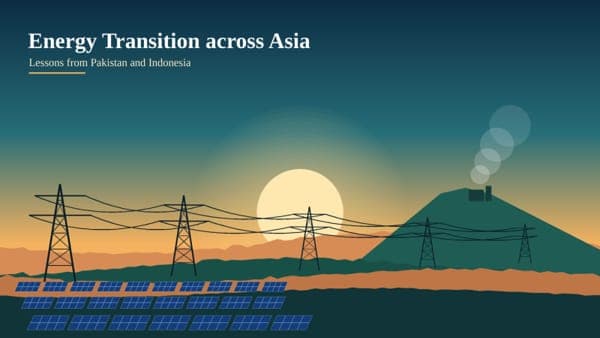
India is the third-largest energy consumer in the world. Every year, the demand for fuel increases due to a rise in population, industrial growth, and transportation. To fulfil this growing demand, the country heavily relies on importing fossil fuels such as petroleum and natural gas. This not only causes pollution and raises energy security concerns but also makes energy more expensive.

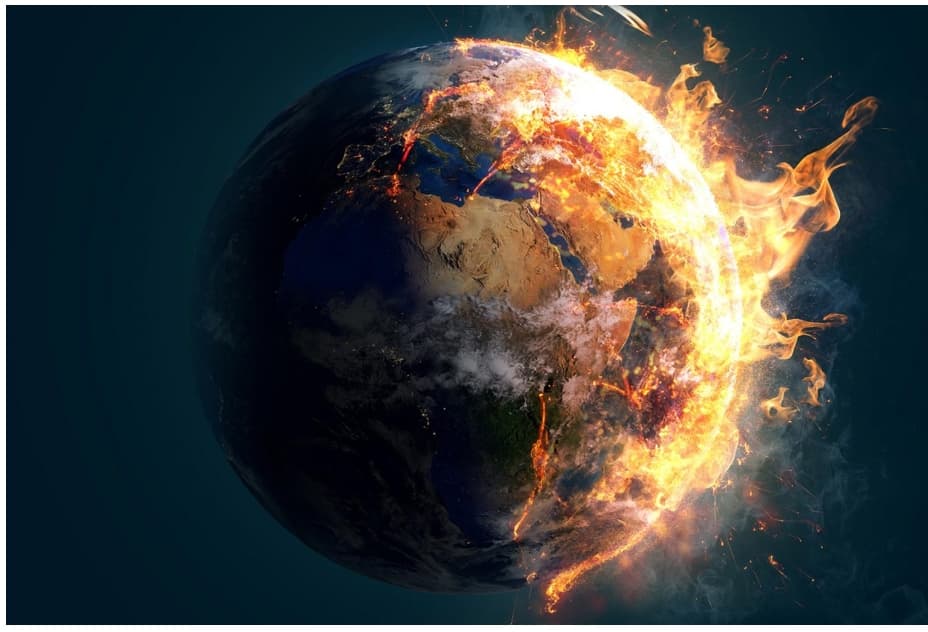
Climate change is one of the major challenges that humanity is facing in the 21st century. It can no longer be considered a future challenge, since its harmful effects are already being experienced across nations. Rising temperatures, longer heat waves, more frequent rainfall spells and high-intensity floods and droughts, more intense tropical cyclones, retreating glaciers, and rising sea levels have all now become regular events. Thus, climate change is an existential threat—for ecosystems, agriculture, water resources, public health and economies—with even the most developed countries facing significant impacts (Intergovernmental Panel on Climate Change [IPCC], 2023).

Urban areas across India are facing a dangerous surge in fire emergencies. In Delhi-NCR, fire services responded to over 7,800 calls between January and April of 2026, marking a significant year-over-year increase. This upward trend peaked in May, which broke previous records with 3,410 distinct incidents, following two high-profile fatal fires.
Providing access to basic education for marginalized children and industrial workers. Bridging educational gaps through literacy programs, vocational training, and environmental awareness.

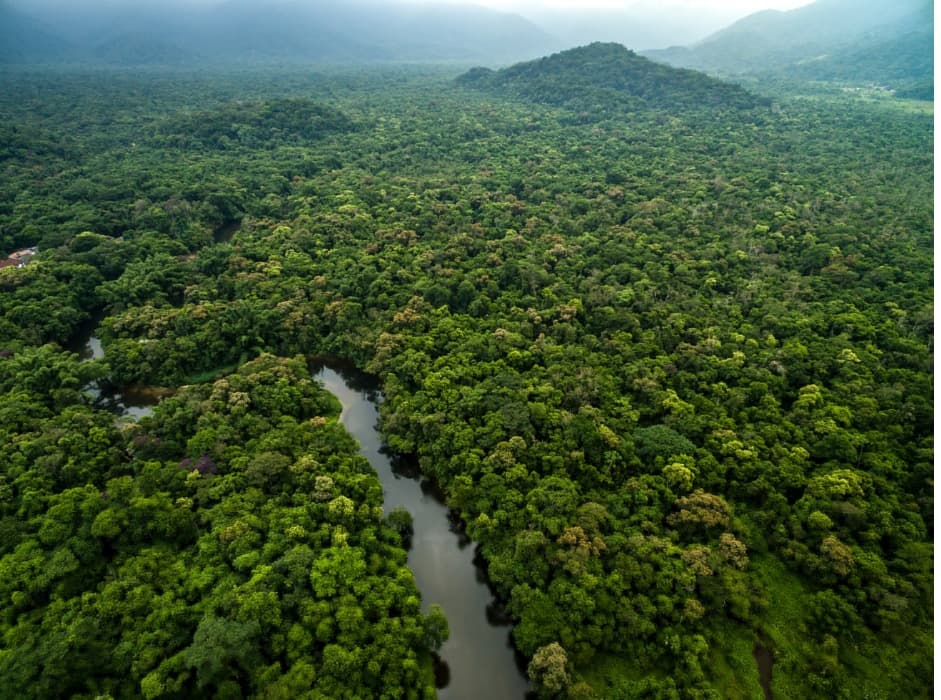
Promoting rejuvenation of rivers, lakes, wetlands, and traditional reservoirs through nature-based solutions, rainwater harvesting, and community stewardship.

Specialized research on the fragile Himalayan ecosystem — studying glacial retreat, biodiversity loss, and building resilience for mountain communities and indigenous peoples.
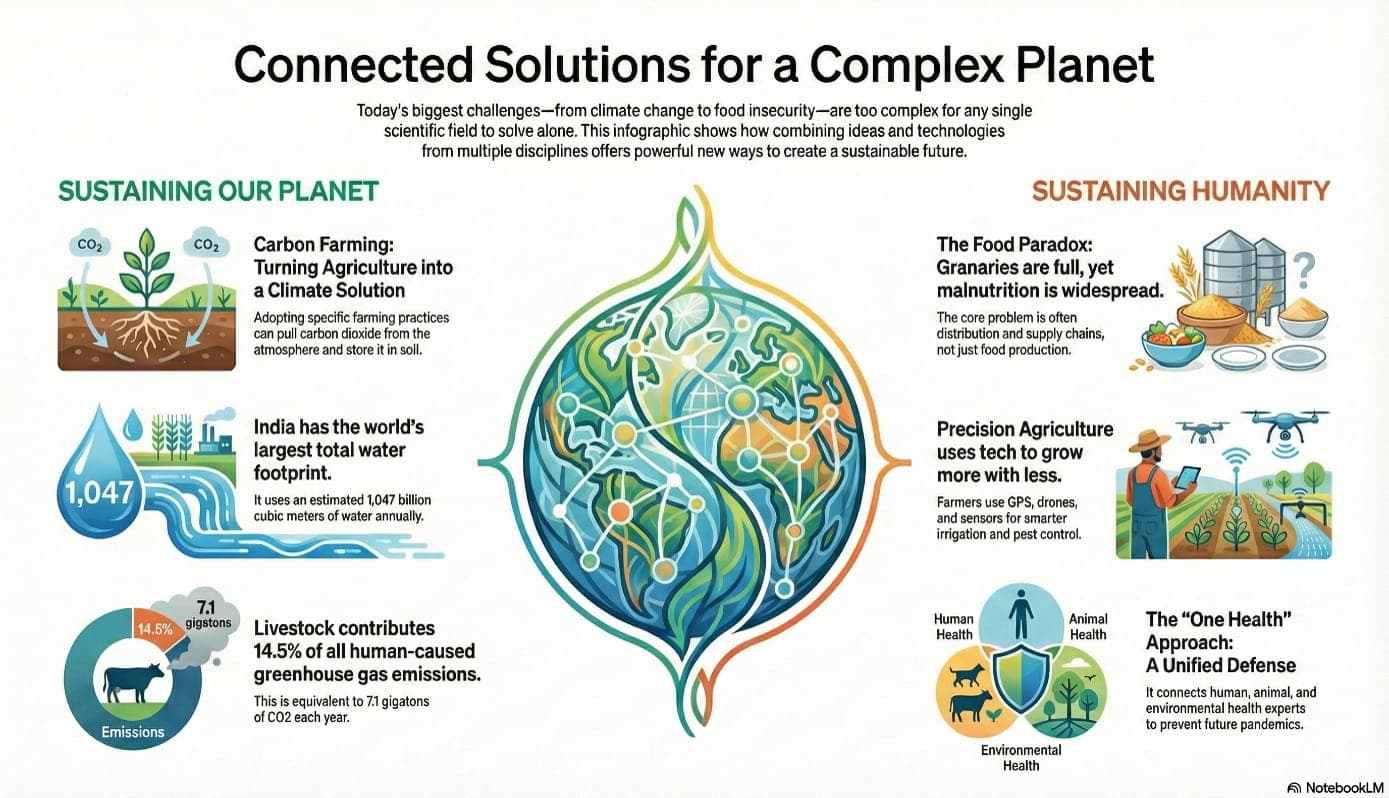
Advocating for sustainable farming practices that integrate indigenous technical knowledge, minimize environmental impact, and address the water–climate–agriculture nexus.

Developing innovative technologies and policies to reduce air, water, and soil pollution while promoting waste management and ecological impact assessments of large projects.

A hub for scientific and social collaboration, bringing together researchers, practitioners, policymakers, and communities to develop holistic, evidence-based solutions.
Advancing community-led strategies to withstand climate shocks in regions affected by social tension and conflict, with emphasis on risk reduction, adaptive planning, and equitable recovery.